
Eating seasonally means growing or buying foods at the time they’re naturally harvested, ideally from a local source. It can bring big benefits for your health, the environment, and even your wallet.
How to find seasonal food
If you live near farms with produce stands or a farmers market, it’s easy. If not, you still have options. Many communities have CSAs (Community Supported Agriculture), where members contribute a fee or labor in exchange for a share of a farm’s or community garden’s harvest. Many websites list which fruits and vegetables are in season in your region, and some grocery stores carry produce from nearby farms.
More nutrients and more flavor
On a whole food plant-based diet, fruits and vegetables are the main focus, and they should make up the bulk of what you eat each day. Produce that’s harvested at its peak and eaten soon after carries the most nutrients. Food shipped from far away has to be picked before it’s ripe to survive shipping, sometimes ripened artificially, and takes much longer to reach you, which often means fewer nutrients and less flavor. Nothing compares to the taste of fresh garden produce! In-season fruits and vegetables have more pronounced flavors and are packed with antioxidants and nutrients.
Let the season plan your meals
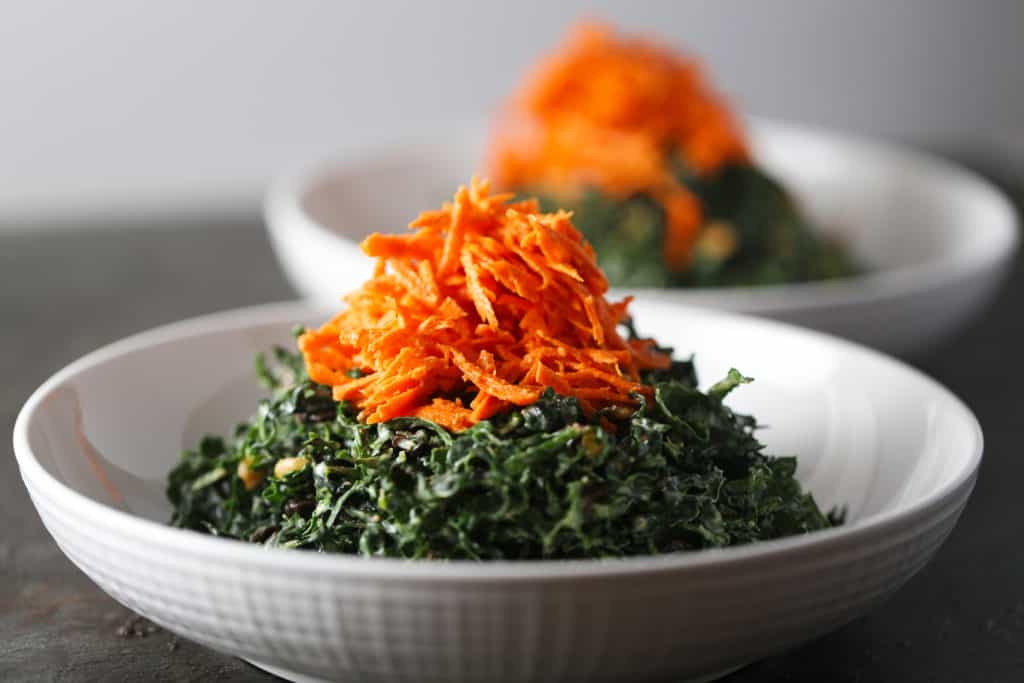
Build meals around fresh, in-season ingredients. At the farmers market, let your senses lead: choose what appeals to you by color, scent and feel, then plan meals and snacks around what you find. Try things you’ve never cooked or eaten raw before; it keeps things exciting and expands your palate. Look up new ways to prepare anything unfamiliar, and if you have children, get them involved so they get excited about the fruits and vegetables they’re eating. Need inspiration? Try our Kale and Carrot Salad, Root Vegetable Stew or Asparagus and Tomatoes with Lemon.
Better for the planet, often better for your budget
Shipping and distributing food around the globe is a major source of greenhouse gas emissions, and buying locally helps reduce it. When food comes from a local source, whether a community garden or a farmer you can talk to at the farm stand, you can also know it was produced sustainably and ethically. Buying as close to the source as possible can also be more affordable, especially with home gardening and CSAs.
Depending on where you live, eating seasonally may take a little more effort, but the time you invest in making it work for you and your family is well worth it.
New to whole food plant-based eating? My Whole Food Plant-Based Diet Starter Guide walks you through the switch, step by step.
Jennifer Schmidt is a co-founder of One Bite Vegan and has followed a whole food plant-based diet for more than a decade. This article is general information, not medical advice.
Leave a Reply